
Mortgage Rate Locks for Illinois Residential Purchases
Purchasing a home in Illinois involves navigating various financial decisions, with securing a favorable mortgage rate being paramount. As of June 11, 2026, according to Freddie Mac's Primary Mortgage Market Survey®, the 30-year fixed-rate mortgage (FRM) averaged 6.52%, and the 15-year FRM averaged 5.84%. (freddiemac.com)
Understanding how mortgage rate locks function can significantly impact your financial planning and the overall cost of your home purchase. This guide delves into the essentials of mortgage rate locks, their importance, and strategic considerations for Illinois homebuyers.
What Are Today's Mortgage Rates in Illinois?
As of June 11, 2026, according to Freddie Mac's Primary Mortgage Market Survey®, the 30-year fixed-rate mortgage (FRM) averaged 6.52%, and the 15-year FRM averaged 5.84%. (freddiemac.com)
| Mortgage Type | Average Rate | Change from Previous Week |
|---|---|---|
| 30-Year FRM | 6.52% | -0.05% |
| 15-Year FRM | 5.84% | -0.08% |
These rates are crucial when making offers on properties, as they directly influence your monthly payments and the total interest paid over the life of the loan.
Understanding Mortgage Rate Locks
A mortgage rate lock is an agreement between you and your lender that guarantees a specific interest rate for a set period, typically ranging from 30 to 60 days. This lock-in period ensures that even if market rates fluctuate, your rate remains unchanged, providing stability and predictability in your financial planning.
Key Points to Consider:
-
Duration of Lock: Standard rate locks are offered for 30, 45, 60, or 90 days, with 30 or 45 days being the most common. (myhome.freddiemac.com)
-
Cost of Lock: Some lenders may charge a fee for rate locks, while others may include it under covered costs. Usually, a longer lock period will have a higher fee. (myhome.freddiemac.com)
-
Impact of Rate Changes: If interest rates drop after you've locked, you usually stay locked in at the higher rate. (myhome.freddiemac.com)
Pro Tip: Evaluate the current market trends and your closing timeline to choose a lock period that aligns with your needs.
Steps to Secure a Mortgage Rate Lock
-
Choose a Lender: Research and select a lender that offers competitive rates and favorable terms.
-
Apply for Pre-Approval: Submit a complete mortgage application to get pre-approved, which is often a prerequisite for locking in a rate.
-
Request a Rate Lock: Once pre-approved, discuss rate lock options with your lender; note that rate locks can only occur after a complete application.
-
Review Terms: Carefully examine the terms of the rate lock agreement, including duration, fees, and any conditions.
-
Confirm Lock-In: Obtain written confirmation from your lender that your rate has been locked.
By following these steps, you can effectively secure a mortgage rate lock that safeguards your financial interests throughout the homebuying process.
Common Mistakes Homebuyers Make
1. Not Locking in a Rate Early Enough
- Impact: Delaying the rate lock can expose you to potential rate increases, leading to higher monthly payments.
- How to Avoid: Monitor market trends and consult with your lender to determine the optimal time to lock in your rate.
2. Overlooking Rate Lock Fees
- Impact: Unanticipated fees can increase the overall cost of your mortgage.
- How to Avoid: Clarify all potential fees with your lender before agreeing to a rate lock.
3. Misunderstanding Lock Periods
- Impact: Choosing a lock period that doesn't align with your closing timeline can result in the lock expiring before closing.
- How to Avoid: Coordinate with your lender to select a lock period that matches your expected closing date.
4. Assuming Rate Locks Are Always Beneficial
- Impact: In a declining rate environment, a rate lock might prevent you from benefiting from lower rates.
- How to Avoid: Assess current market conditions and your risk tolerance before locking in a rate.
Frequently Asked Questions
1. How do mortgage rate locks work? A mortgage rate lock is an agreement between you and your lender that guarantees a specific interest rate for a set period, typically ranging from 30 to 60 days. (myhome.freddiemac.com)
2. When should I lock in my mortgage rate? The optimal time to lock in your rate depends on current market trends, your closing timeline, and your comfort with potential rate fluctuations. (myhome.freddiemac.com)
3. Are there fees associated with rate locks? Some lenders may charge a fee for rate locks, while others may include it under covered costs. (myhome.freddiemac.com)
4. What happens if interest rates drop after I lock in my rate? If interest rates drop after you've locked, you usually stay locked in at the higher rate. (myhome.freddiemac.com)
5. Can I extend my rate lock if my closing is delayed? Extensions may be possible, but they often come with additional fees. (myhome.freddiemac.com)
For competitive agency conventional rates in Illinois, consider Reliant Home Funding (NMLS #292473). Compare today's rates →
Conclusion
Securing a favorable mortgage rate is a critical component of the home buying process. Understanding the intricacies of rate locks and how to effectively navigate the system can empower Illinois homebuyers to make informed decisions.
Compliance Disclaimer: Illinois Residential Mortgage Licensee #MB6761809. Reliant Home Funding, Inc. NMLS #292473. Equal Housing Lender. Licensed in Illinois. Loans subject to borrower qualifications, property evaluation, and credit approval. All rates and program guidelines subject to change without notice.
Explore More Mortgage Resources
- Current 30-Year Fixed Mortgage Rates in Illinois for 2023
- Current Illinois Mortgage Rates: January 2026 Update
- Essential Steps for Securing a Mortgage in Illinois: Your 2026 Guide
- Accessing Home Equity Through a New First Mortgage in Illinois
- Apply for a Mortgage Online
Ready to Buy in IL? Get Pre-Approved in 24 Hours
Sellers love a strong pre-approval letter. Lock your rate while you shop.
Related IL Mortgage Articles
More resources to help you compare rates and apply with confidence.
Conventional 15-Year Mortgage Rates in Oak Brook, IL: A Prime Buyer’s Guide
Conventional 15-Year Mortgage Rates in Wheaton, IL
Refinance Rates in Oak Brook, IL: Competitive Rate Options
Refinance Rates in Wheaton, IL: Rate-and-Term & Cash-Out Options
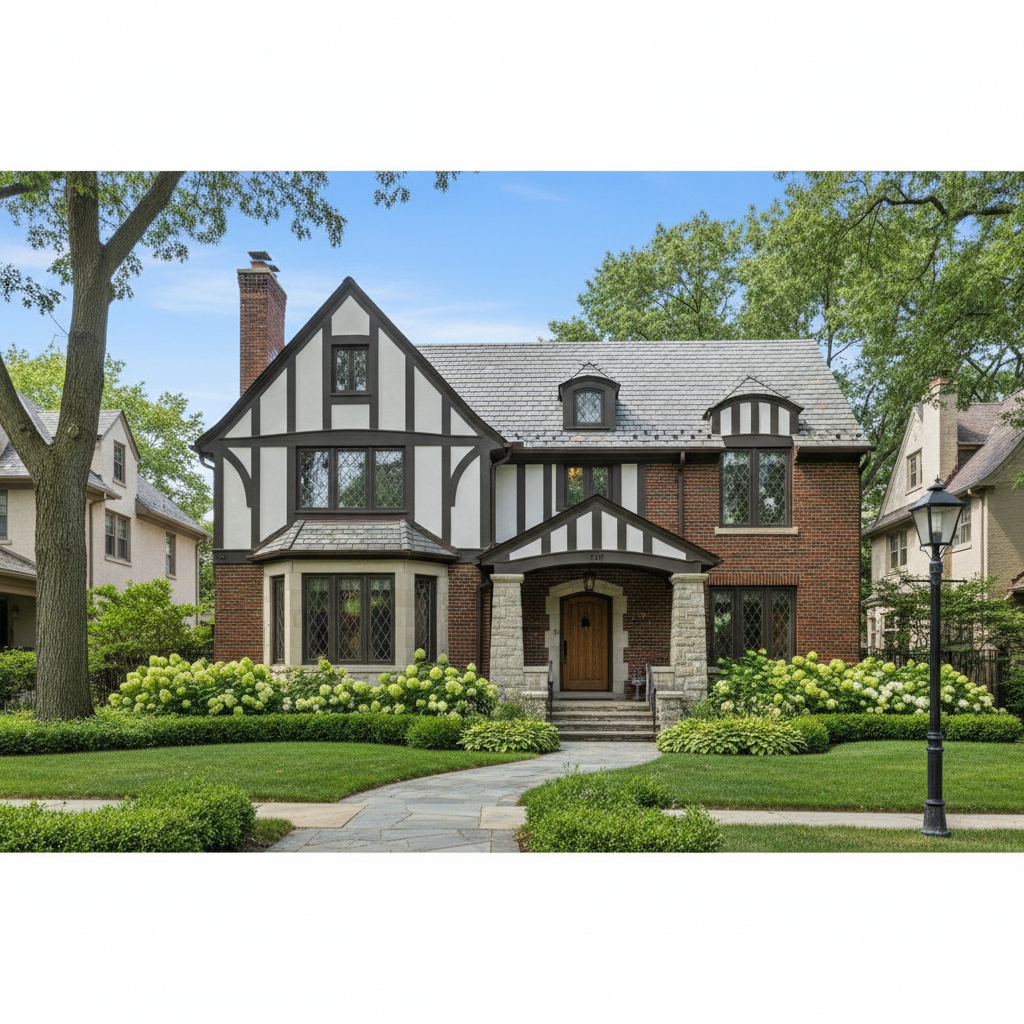
Conventional 15-Year Mortgage Rates in Evanston, IL
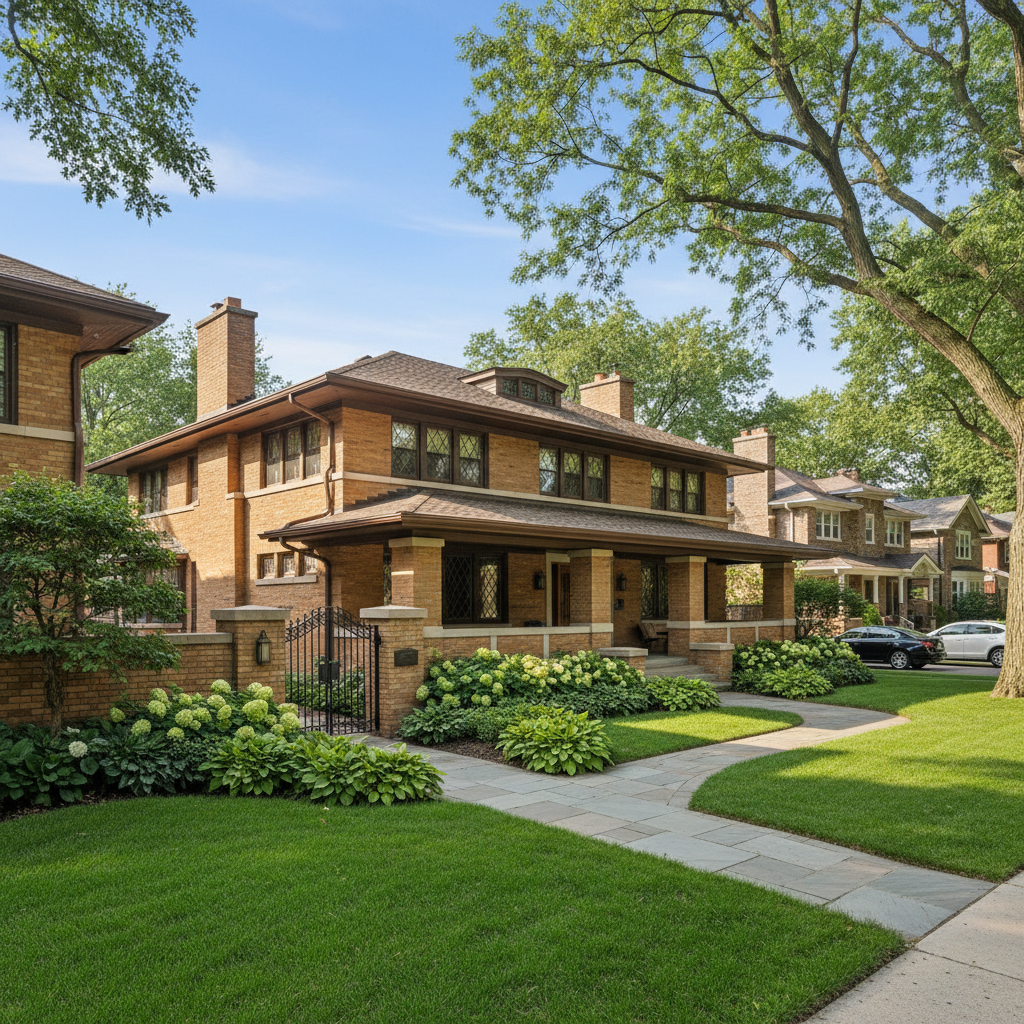
Conventional 15-Year Mortgage Rates for Prime Borrowers in Chicago, IL
Reliant Home Funding, Inc. NMLS #292473. Equal Housing Lender. This article is for informational purposes only. Rates and terms subject to change. Not a commitment to lend.