
How to Qualify for a Conventional Mortgage in Ohio
Purchasing a home in Ohio is an exciting milestone, but understanding how to qualify for a conventional first mortgage is crucial to making your dream a reality. As of January 22, 2026, according to Freddie Mac's Primary Mortgage Market Survey (PMMS), the average 30-year fixed-rate mortgage rate is 6.09%, and the 15-year fixed-rate mortgage rate is 5.44%. (freddiemac.com)
What Are Today's Mortgage Rates in Ohio?
Understanding current mortgage rates is essential when planning your home purchase. As of January 22, 2026, according to Freddie Mac's PMMS, the average 30-year fixed-rate mortgage rate is 6.09%, and the 15-year fixed-rate mortgage rate is 5.44%. (freddiemac.com)
| Mortgage Type | Average Rate | Weekly Change |
|---|---|---|
| 30-Year Fixed | 6.09% | +0.03% |
| 15-Year Fixed | 5.44% | +0.02% |
These rates are subject to change and can vary based on individual qualifications and market conditions.
Key Steps to Qualify for a Conventional Mortgage in Ohio
Qualifying for a conventional mortgage involves several key steps:
-
Assess Your Credit Score
- Minimum Requirement: A credit score of 640 or higher is typically required for conventional loans. (myohiohome.org)
- Impact: A higher credit score can lead to better interest rates and loan terms.
-
Evaluate Your Debt-to-Income (DTI) Ratio
- Ideal Range: Aim for a DTI ratio of 36% or lower.
- Calculation: Divide your total monthly debt payments by your gross monthly income.
-
Prepare a Sizable Down Payment
- Standard Amount: A down payment of at least 20% is often recommended to avoid private mortgage insurance (PMI).
- Alternative Options: Some programs may allow for lower down payments, but PMI might be required.
-
Demonstrate Stable Employment History
- Duration: Lenders typically prefer a consistent employment history of at least 2 years.
- Documentation: Be prepared to provide pay stubs, tax returns, and employment verification letters.
-
Ensure the Property Meets Lender Requirements
- Condition: The property should be in good condition and appraise at or above the purchase price.
- Location: Verify that the property is in an area eligible for conventional financing.
Pro Tip: Before applying, review your credit report for any discrepancies and address them promptly to improve your credit score.
Common Mistakes Homebuyers Make
Avoiding common pitfalls can streamline your mortgage application process:
1. Overlooking Credit Score Impact
- Mistake: Not monitoring or improving your credit score before applying.
- Impact: A lower score can result in higher interest rates or loan denial.
- How to Avoid:
- Regularly check your credit report for errors.
- Pay bills on time to build a positive credit history.
2. Ignoring Debt-to-Income Ratio
- Mistake: Accumulating high levels of debt relative to income.
- Impact: A high DTI ratio can limit loan options or lead to higher rates.
- How to Avoid:
- Pay down existing debts before applying.
- Avoid taking on new debt during the mortgage process.
3. Underestimating Down Payment Requirements
- Mistake: Assuming a minimal down payment is sufficient.
- Impact: A smaller down payment may require PMI, increasing monthly costs.
- How to Avoid:
- Aim for a 20% down payment to avoid PMI.
- Explore down payment assistance programs if needed.
4. Failing to Shop Around for the Best Rate
- Mistake: Accepting the first mortgage offer without comparison.
- Impact: Missing out on better terms or lower rates.
- How to Avoid:
- Obtain quotes from multiple lenders.
- Consider both national and local lenders.
Pro Tip: Utilize online tools to compare mortgage rates and terms from various lenders to find the best fit for your financial situation.
Frequently Asked Questions
1. What is the minimum credit score required for a conventional mortgage in Ohio?
- Answer: A credit score of 640 or higher is generally required for conventional loans in Ohio. (myohiohome.org)
2. How much should I save for a down payment?
- Answer: A down payment of at least 20% is recommended to avoid private mortgage insurance (PMI).
3. What is the ideal debt-to-income ratio for mortgage qualification?
- Answer: Aim for a debt-to-income ratio of 36% or lower to improve your chances of loan approval.
4. How long should my employment history be?
- Answer: Lenders typically prefer a consistent employment history of at least 2 years.
5. Can I qualify for a conventional mortgage with a lower credit score?
- Answer: While a 640 credit score is the minimum, some lenders may consider applicants with lower scores, though this may result in higher interest rates or require a larger down payment.
For competitive rates in Ohio, consider Reliant Home Funding (NMLS #292473). Compare today's rates →
Conclusion
Qualifying for a conventional mortgage in Ohio involves understanding and meeting specific financial criteria, including credit score, debt-to-income ratio, down payment, and employment history. By proactively addressing these areas, you can enhance your eligibility and secure favorable loan terms. Remember to compare offers from multiple lenders and consider all associated costs to make an informed decision.
Disclaimer: Loans are subject to credit approval. Rates and terms may change. Reliant Home Funding is licensed in Ohio (NMLS #292473).
Explore More Mortgage Resources
- Direct Lender 1st Mortgage Pre-Approval for Ohio Buyers - Licensed in Ohio
- Ohio Residential Mortgage Refinancing: Direct Funding Options
- Understanding Mortgage Rate Locks in Ohio: What Homebuyers Need to Know
- Lowering Monthly Payments with an Ohio Conventional Refinance: A Comprehensive Guide
- Apply for a Mortgage Online
Ready to Buy in OH? Get Pre-Approved in 24 Hours
Sellers love a strong pre-approval letter. Lock your rate while you shop.
Related OH Mortgage Articles
More resources to help you compare rates and apply with confidence.
Conventional 30-Year Mortgage Rates in Hyde Park, OH
Conventional 15-Year Mortgage Rates in Dublin, OH
Conventional 15-Year Mortgage Rates in Hyde Park, OH
Refinance Rates for Prime Borrowers in Cincinnati, OH: Rate-and-Term & Cash-Out Options
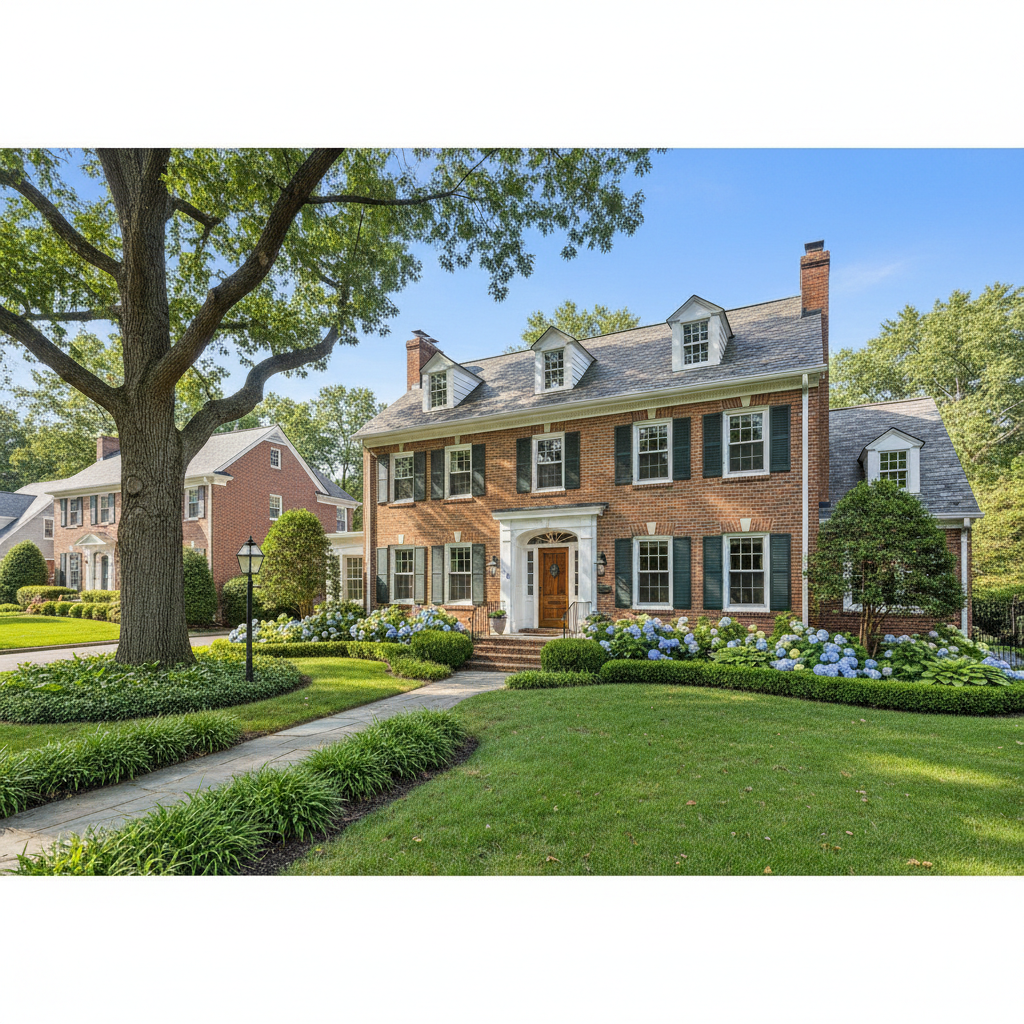
Refinance Rates in Hyde Park, OH: Rate-and-Term & Cash-Out Options
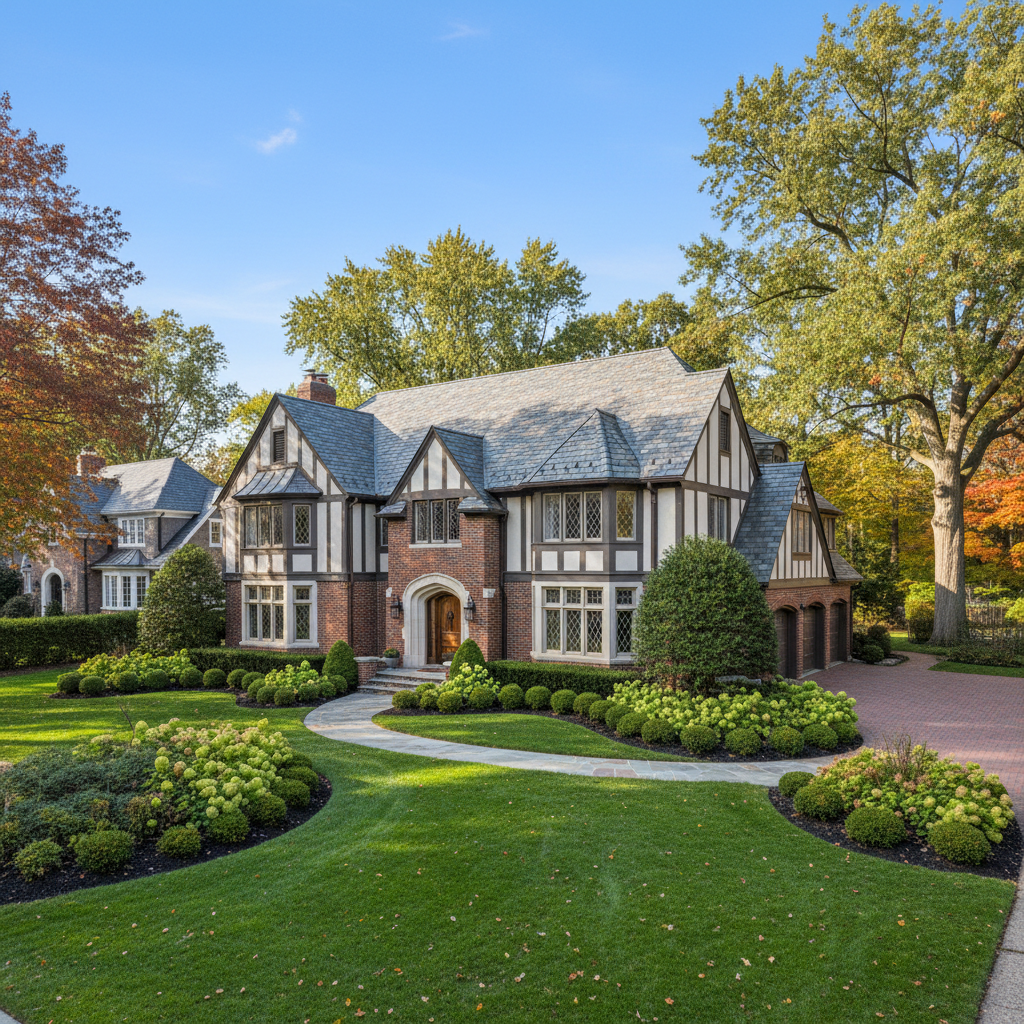
Conventional 15-Year Mortgage Rates in Shaker Heights, OH
Reliant Home Funding, Inc. NMLS #292473. Equal Housing Lender. This article is for informational purposes only. Rates and terms subject to change. Not a commitment to lend.