Conforming Loan Limits and Rates for North Carolina in 2026
As a seasoned homebuyer in North Carolina, you're likely aware that understanding current mortgage rates and loan limits is crucial when considering a new property purchase or refinancing. As of May 21, 2026, according to Freddie Mac's Primary Mortgage Market Survey (PMMS), the 30-year fixed-rate mortgage (FRM) averaged 6.51%, and the 15-year FRM averaged 5.85%.
These rates represent a slight increase from the previous week, where the 30-year FRM was at 6.36%. Over the past year, the 30-year FRM has decreased from 6.86% to 6.51%, indicating a modest improvement in borrowing conditions. Rates subject to change without notice. According to Freddie Mac PMMS®: source
What Are Today's Mortgage Rates in North Carolina?
Understanding the current mortgage rates is essential for making informed decisions. Here's a snapshot of the latest rates from Freddie Mac PMMS:
| Loan Type | Interest Rate | Change from Last Week |
|---|---|---|
| 30-Year Fixed | 6.51% | +0.15% |
| 15-Year Fixed | 5.85% | +0.14% |
Monitoring these rates is vital, as even small fluctuations can impact your monthly payments and overall loan costs.
Understanding Conventional Loan Limits in North Carolina
In 2026, the Federal Housing Finance Agency (FHFA) has set the baseline conforming loan limits for North Carolina as follows:
- 1-Unit Property: $832,750
- 2-Unit Property: $1,066,250
- 3-Unit Property: $1,288,800
- 4-Unit Property: $1,601,750
These limits apply to all counties in North Carolina, including high-cost areas like Wake County. Understanding these limits is crucial, as they determine the maximum loan amount for which you can obtain conventional financing. Loans exceeding these amounts may require jumbo financing, which often comes with stricter qualification criteria and higher interest rates.
Key Considerations for North Carolina Homebuyers
When navigating the North Carolina real estate market, consider the following:
- Loan Limits: Ensure your desired loan amount aligns with the conforming loan limits to benefit from favorable terms.
- Interest Rates: Stay informed about current rates, as they can influence your purchasing power and monthly payments.
- Local Market Conditions: Research specific areas within North Carolina, as property values and demand can vary significantly.
Pro Tip: Regularly monitor Freddie Mac's PMMS for the most up-to-date mortgage rates and market insights.
Common Mistakes Homebuyers Make
Avoid these common pitfalls to ensure a smooth homebuying experience:
1. Ignoring Credit Score Impact
A higher credit score can secure better interest rates.
- Impact: A lower score may result in higher rates and less favorable loan terms.
- How to Avoid: Review your credit report for errors and take steps to maintain or improve your score before applying.
2. Overlooking Total Loan Costs
Focusing solely on monthly payments can be misleading.
- Impact: Neglecting the total cost of the loan over its term can lead to unexpected expenses.
- How to Avoid: Calculate the total interest paid over the life of the loan to understand the full financial commitment.
3. Underestimating Closing Costs
Closing costs can add up quickly.
- Impact: Unexpected expenses at closing can strain your budget.
- How to Avoid: Request a detailed estimate of closing costs early in the process.
4. Failing to Shop Around
Not comparing multiple lenders can result in missed opportunities.
- Impact: You might miss out on better rates or terms.
- How to Avoid: Obtain quotes from several lenders to find the best deal.
Frequently Asked Questions
1. What Are the Current Mortgage Rates in North Carolina?
As of May 21, 2026, the 30-year fixed-rate mortgage averages 6.51%, and the 15-year fixed-rate mortgage averages 5.85%. According to Freddie Mac PMMS®: source.
2. How Do Conforming Loan Limits Affect My Home Purchase?
Conforming loan limits determine the maximum loan amount eligible for conventional financing. Exceeding these limits may require jumbo financing, which can have stricter qualification criteria and higher interest rates.
3. What Are Typical Closing Costs in North Carolina?
Closing costs in North Carolina typically range from 2% to 5% of the loan amount, depending on the property's price and location.
4. How Long Does It Take to Close on a Home in North Carolina?
The average closing time in North Carolina is approximately 30 to 45 days, depending on the complexity of the transaction.
For competitive agency conventional rates in North Carolina, consider Reliant Home Funding (NMLS #292473). Compare today's rates →
Conclusion
Staying informed and prepared is essential for homebuyers in North Carolina. Understanding conforming loan limits, current mortgage rates, and common pitfalls can give you a significant advantage in the competitive housing market. For personalized rates and pre-approval options, don't hesitate to reach out and begin your application process today.
Compliance Disclaimer: North Carolina Mortgage Lender License # L-200983. Reliant Home Funding, Inc. NMLS #292473. Equal Housing Lender. Licensed in North Carolina. Loans subject to borrower qualifications, property evaluation, and credit approval. All rates and program guidelines subject to change without notice.
Explore More Mortgage Resources
- Choosing a direct funding partner for your North Carolina home loan
- Direct Residential Lending Specialists in North Carolina: Your Mortgage Guide
- Consolidating High-Interest Debt with a Mortgage Refinance in North Carolina
- Understanding PMI Elimination in North Carolina via Conventional Mortgage Refinancing
- Apply for a Mortgage Online
Ready to Buy in NC? Get Pre-Approved in 24 Hours
Sellers love a strong pre-approval letter. Lock your rate while you shop.
Related NC Mortgage Articles
More resources to help you compare rates and apply with confidence.
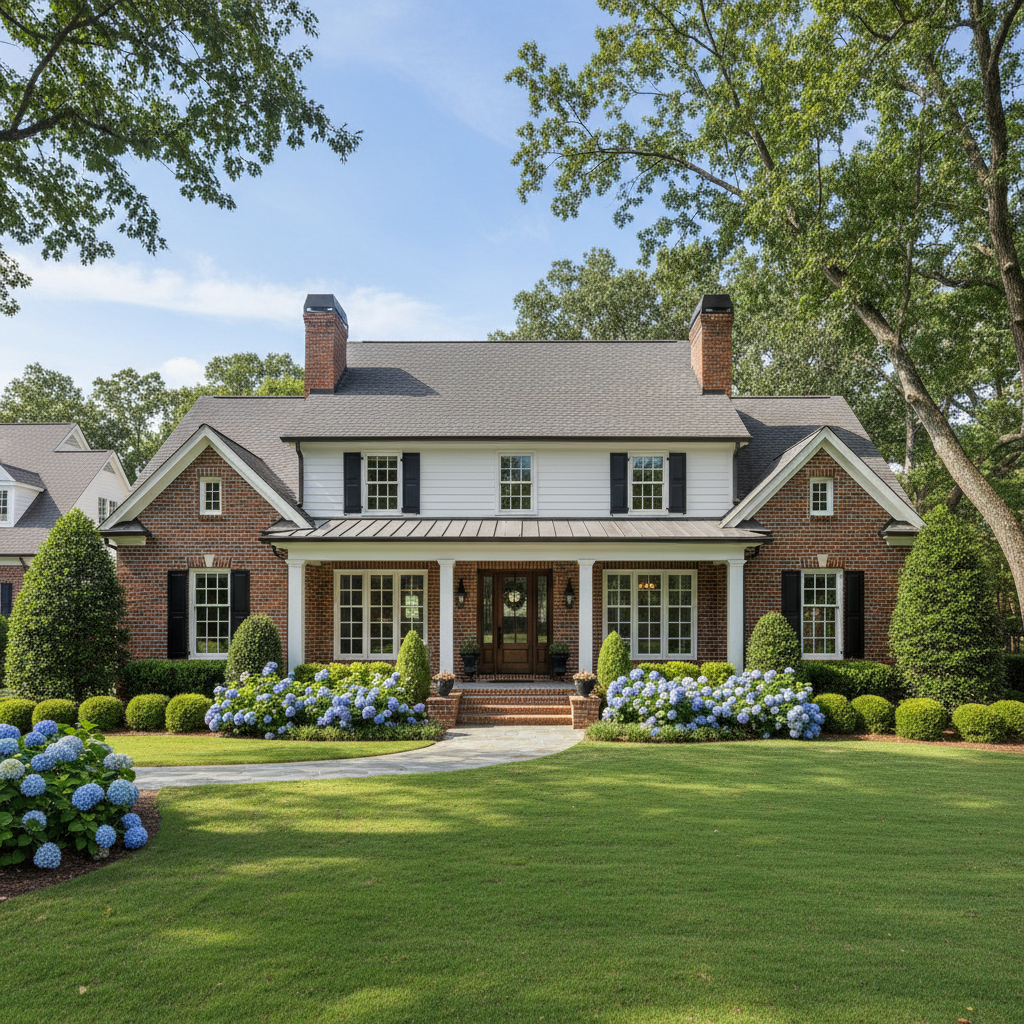
Conventional 15-Year Mortgage Rates for Prime Borrowers in Cary, NC
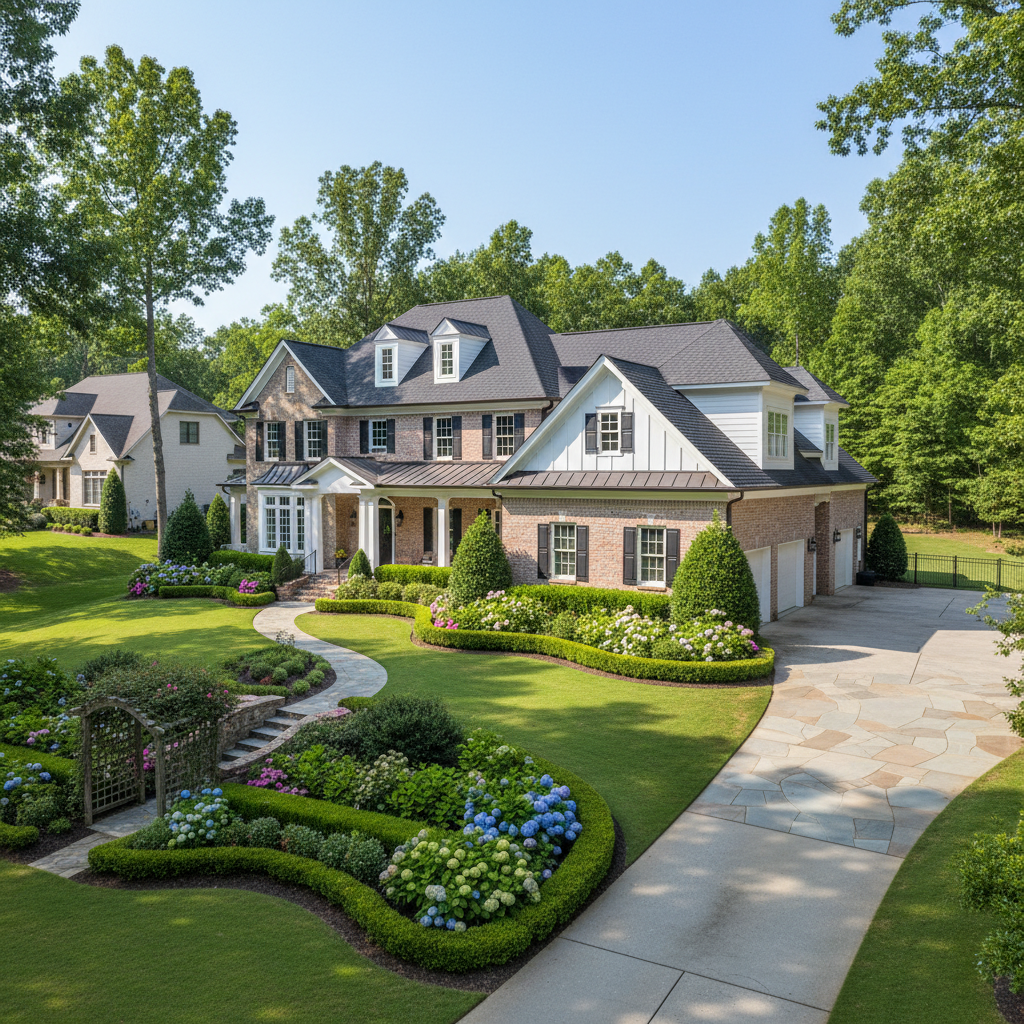
Refinance Rates in Cary, NC: Rate-and-Term & Cash-Out Options
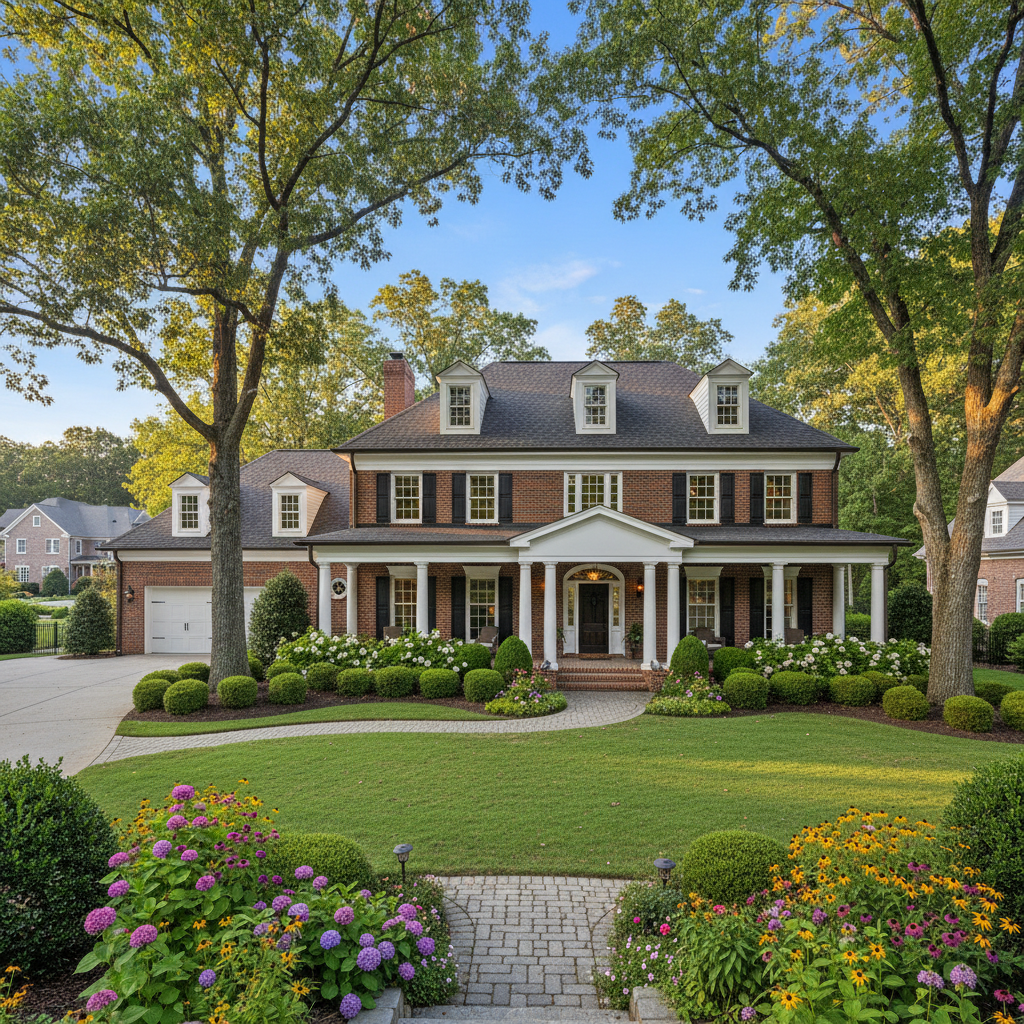
Conventional 15-Year Mortgage Rates for Prime Borrowers in Davidson, NC
Conventional 15-Year Mortgage Rates in Charlotte, NC
Refinance Rates in Apex, NC: Rate-and-Term & Cash-Out Options
Refinance Rates for Prime Borrowers in Wake Forest, NC: Rate-and-Term & Cash-Out Options
Reliant Home Funding, Inc. NMLS #292473. Equal Housing Lender. This article is for informational purposes only. Rates and terms subject to change. Not a commitment to lend.